


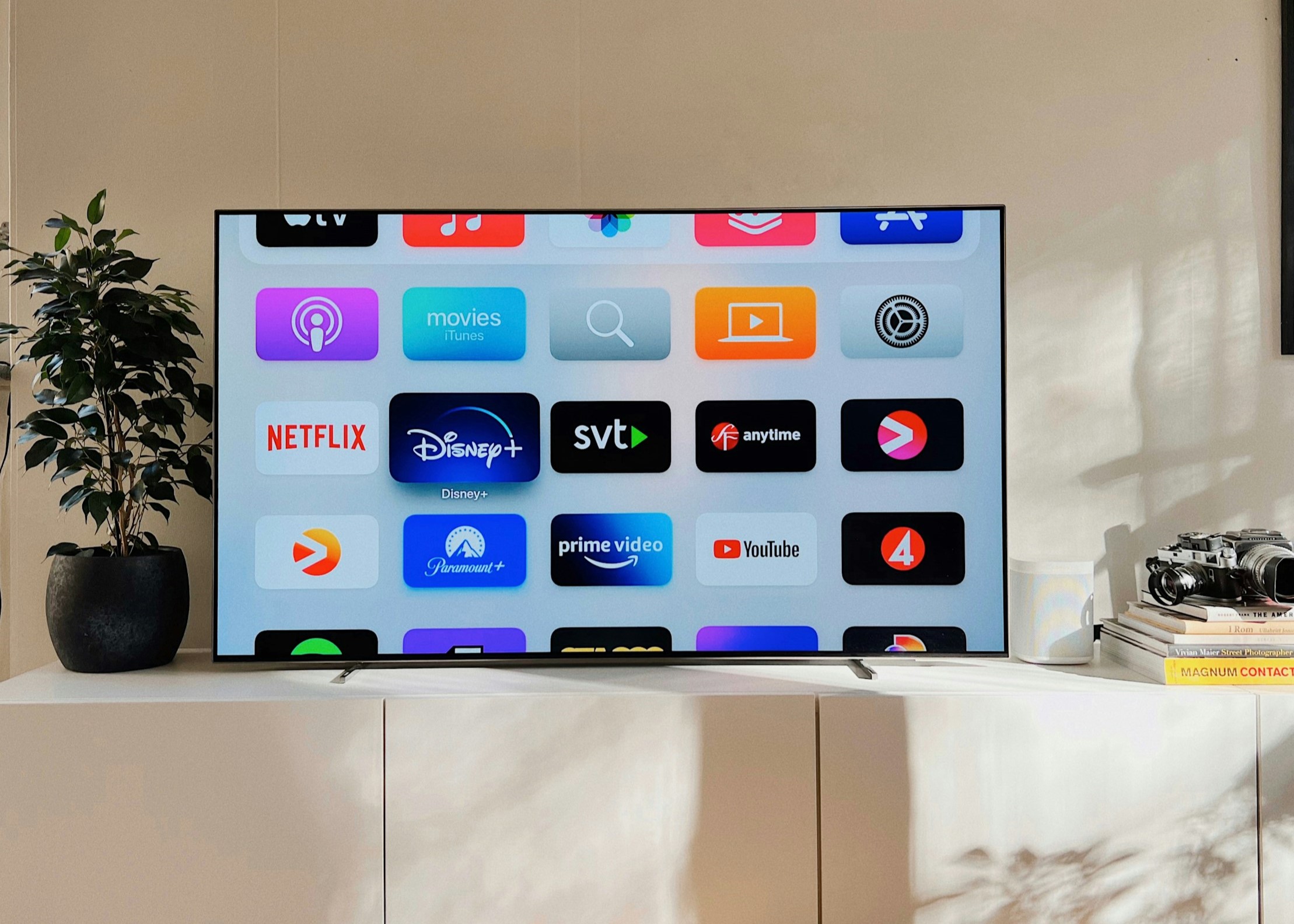
The television world has undergone a huge transformation in the past few years. Consumers aren’t purchasing TVs any longer for cable channels or weekend movies. Today’s displays are used as entertainment centers, game stations, smart home controllers and even workstations. That change is what has made its recently announced M71H, M70H and M80H models so popular online.
In the launch of M71H/M70H/M80H series, Samsung seems to have been aiming at customers who are looking for top-end specs without entering into the high-dollar flagship realm. And from the early reactions, these models have the potential to be one of the company’s hottest smart displays this year.
More Premium Design, Less Premium Bulk
The first thing that strikes you about the new lineup is the styling. Samsung is heading toward a more streamlined, more clean look that doesn’t look so futuristic but looks modern instead.The bezels are thinner than previous generations, making the displays more immersive whether in the midst of a game, streaming movies or being productivity oriented. The back panel is also cleaner of design, which is quite important since many people are using TVs in their living room, as opposed to lining up them against the wall.
One particular stand-out is the M80H, which has a more refined ‘premium’ look. It seems to be more akin to Samsung premium lifestyle displays, but retains the practical qualities of a regular smart TV.
The largest visual improvements are:
- Let’s have narrow margins around the text and graphics
- Improved cable handling and tidyness
- Improved stand stability
- Better screen-to-body ratio
- More contemporary metal finishes
Samsung knows there’s more to televisions than electronics occupying a corner of the room.
The stars of the show are the smarter features
Samsung increasing integration of AI into the user experience is the most significant discussion to come from the M71H, M70H, and M80H family.
Rather than just hardware enhancements, Samsung is working on a lot of software enhancements. The TVs are claimed to use technology to optimize its images for brightness, sharpness, contrast, and even audio profiles based on the content being viewed.
For instance, the motion handling of sports articles can automatically be enhanced to make them smoother, and the scenes in movies can be optimized for visibility without causing a washing out effect in darker areas. The implement of gaming modes also seems to adjust dynamically based on the frame rate and latency requirements.
It’s important because today’s audiences watch vastly different content at all hours of the day:
- YouTube videos
- Shows on Netflix and on streaming sites
- Live sports
- Cloud gaming services
- Social media clips
- Productivity apps
Samsung would like most of the optimization to take place automatically in the TV, rather than having to make adjustments manually each time.
Convenience is increasingly a selling point in the realm of smart TVs.
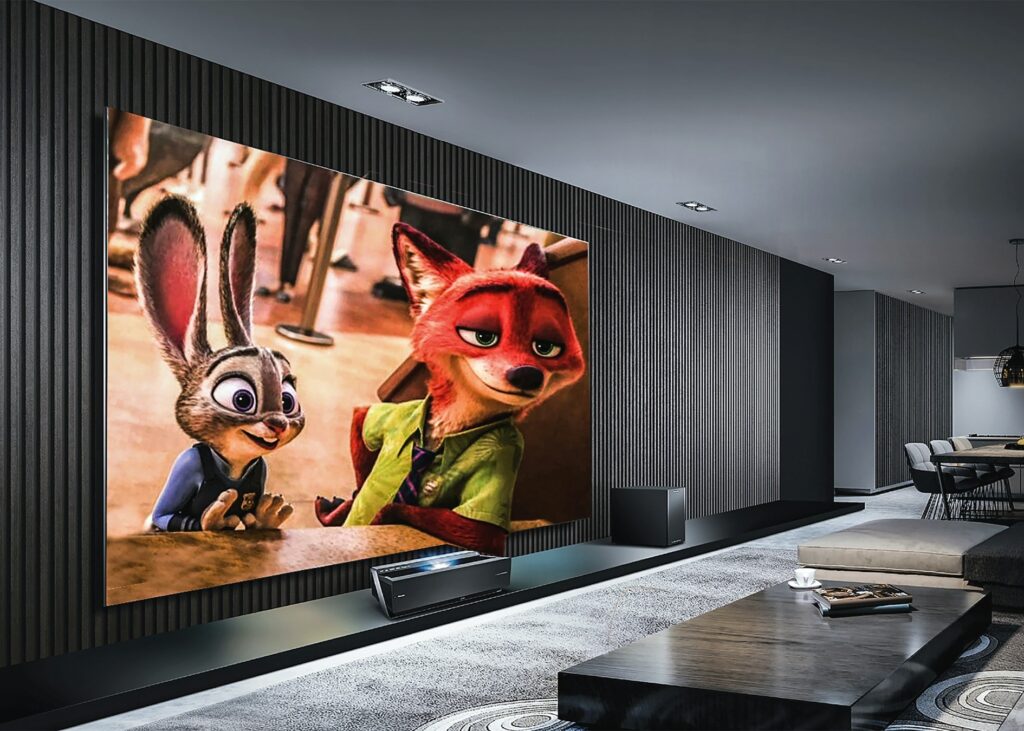
The M80H was designed to resemble the Star of the Lineup
All three models are improvements, but the M80H already has the attention of the tech communities.The display looks the most modern of the three, sporting entertainment elements and productivity tools. It appears Samsung is following the same path they’ve been following in their monitors and adding smart TV features.
This also allows users to plug in wireless accessories, use apps directly from the interface, join video calls or even access cloud-based office applications without having to plug in a PC at all times.It’s particularly important for younger children and for those who work from home.
Rather than purchasing a number of devices for work and play, many people prefer to have just one big screen that can do it all. The M80H is definitely created to the lifestyle change.
Gaming Features Keep Going
Gaming is no more an afterthought on televisions. Support for games is something that many buyers look at when buying a display.
The upgraded M-series line is said to feature enhanced support for cloud gaming and the latest consoles, along with lower input latency and improved refresh rate handling. Rapid reaction times can be a significant advantage in competitive games, and smoother graphics enhance the overall experience.
A number of anticipated gaming enhancements are:
- Use auto low latency modes.
- Enhanced motion clarity
- Optimized game HDR for better performance
- Faster response performance
- Better connectivity with cloud gaming platforms.
Samsung has been aggressively building its games ecosystem in recent times and these are no exception.
What’s fascinating, though, is that gaming capabilities are no longer just a feature of high-end flagship monitors. The mid- and upper-range buyers now demand premium gaming support as a standard feature.
The ability to stream and integrate with Smart Ecosystems
Ecosystem integration is another key feature of the M71H, M70H and M80H range.
In the modern times, users are not interested in complicated setups. They expect to be able to stream from any platform, control their home, sync their devices wirelessly, and get recommendations from them.Samsung software ecosystem is continuing to go in that direction.
The TVs are also set to provide better integration with Samsung phones, tablets, wearables and smart home devices. Synchronized notifications, device handoff and screen mirroring are becoming more and more an integral part of Samsung ecosystem policy.
The streaming optimization is still on the agenda simultaneously. All of this contributes to a more intuitive and responsive user experience, including quicker app launch times, smooth navigation, content recommendations.While these things might seem insignificant on their own, they all add up when it comes to the enjoyment a TV provides over time.
TV marketing for years has been limited to just resolution numbers. 1st HD, then 4K, then 8K… However, customers have become more concerned with usability, intelligence and versatility.
That does not mean hardware no longer matters. Display quality, brightness, color accuracy, and refresh rates are still important. But software is now becoming the feature that truly separates one smart TV ecosystem from another.