




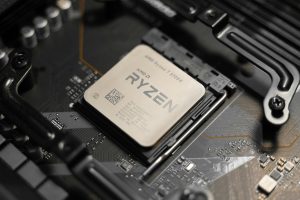



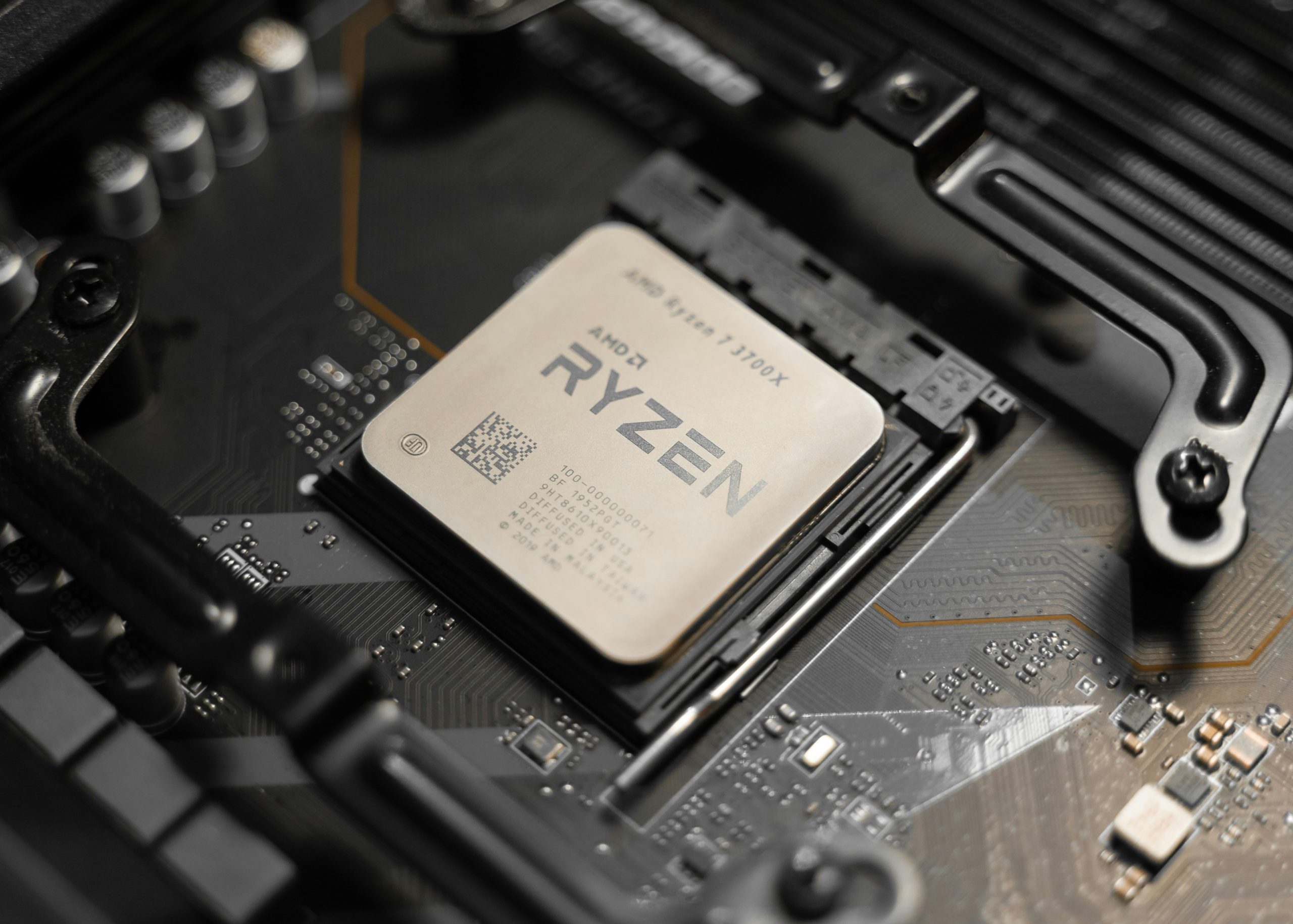
AMD has expanded its lineup of low-cost notebook and mini-PC processors with 11 new Accelerated Processing Units (APUs). The new additions are split between the new Ryzen 200 and Ryzen 100 families. On the processor side, all 11 chips run on AMD’s well-known 4nm “Hawk Point” architecture, featuring updated Zen 4 compute, and RDNA 3 integrated graphics at lower price points.
It’s a big product stack expansion at a strategic time for the hardware industry. Although AMD main marketing campaigns continue to concentrate on its the new products provide the option for original equipment manufacturers (OEMs) to provide capable, extremely optimized hardware combinations for budget-conscious consumers. But the stepped implementation has also stirred up a rehash of the industry debate on AMD complicated and sometimes confusing nomenclature for its mobile lines.
AMD Ryzen 200 Series Additions: Combining Normal Zen 4 and Hybrid Designs
The latter half of the new rollout is the more advanced, directly joining the Ryzen 200 family with 7 new models for improved computational performance while maintaining tight thermal efficiency. These processors include the Ryzen 7 253, Ryzen 7 249, Ryzen 5 225, Ryzen 5 224, Ryzen 7 217, Ryzen 5 216, and the entry-level Ryzen 3 205. This particular portion of the product lineup is very versatile, with a calculated balance between uniform and hybrid cores, to maximize power usage.
The more sophisticated mobile power delivery approach is employed in the mid-and-low tier models in this series, which have uniform, traditional layouts.
- Pure Zen 4 Performance: The Flagship-level Ryzen 7 253 and 249 are based on standard Zen 4 architecture with 8 cores and 16 threads and run up to 4.9 GHz.
- Dense Hybrid Efficiency: Lesser-known models such as the Ryzen 5 216 and Ryzen 3 205 feature a mix of standard Zen 4 performance cores and high-density Zen 4c efficiency cores, which enables lighter background tasks to run on the laptop without consuming much battery life.
The graphical aspects will be enhanced over older entry-level platforms by these processors. With its integrated graphics on all tiers of the RDNA 3 stack, users can enjoy multiple levels of graphics performance depending on the model tier. The high-end models come with the capable Radeon 780M with 12 Compute Units (CUs) while the mid and entry level models feature the Radeon 760M and 740M respectively making them highly capable of handling casual games and basic content creation tasks.
AMD’s Zen 4 Silicon integration for the entry-level AMD Ryzen 100 Series: cramming it into a low-tier branding
The Ryzen 200 series is a fairly standard evolution, but the addition of four new models under the Ryzen 100 series brand has added some intriguing complexity. The new models are a huge jump for a brand that was traditionally associated with the previous generations of architecture, as the Ryzen 9 180, Ryzen 7 155, Ryzen 7 165 and Ryzen 5 125 are the latest in the lineup of Ryzen chips.
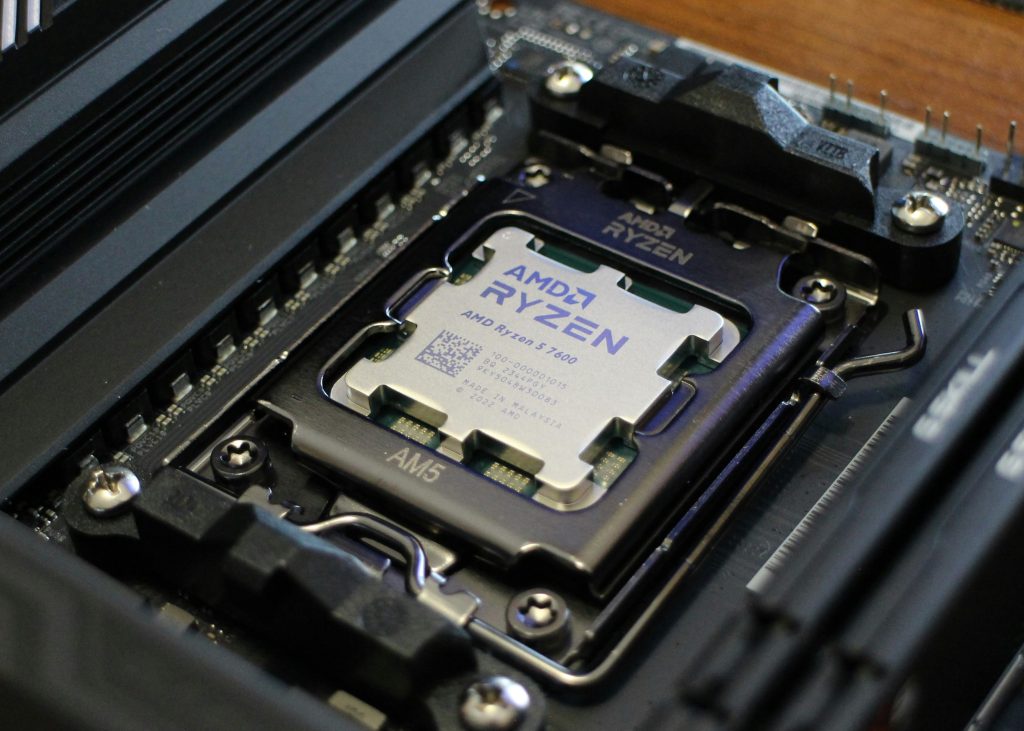
Up until now, the Ryzen 100 series has been based on 6nm “Rembrandt” chips with older Zen 3+ processing chips and RDNA 2 graphics chips. Strangely enough, AMD’s new product listings forget about this old hardware altogether. The four new models are confirmed Hawk Point processor based on a modern 4nm process node, with the standard Zen 4 cores and the RDNA 3 graphics architecture. The upgrade represents a radical paradigm shift for the entry-level notebook and makes the affordable laptops available to both high-end mobile chip architecture and premium notebook machines, just a couple of years ago.
This has caused some confusion on official product spec sheets, where the first announcements had the processors labelled Zen 3+ when they were clearly specified as 4nm Hawk Point sized processors with RDNA 3 clock speed. For hardware analysts, it means that the Ryzen 100 additions are probably strategic re-badges of much more popular older designs for mobile use, aimed at avoiding the use of expensive and specialized Neural Processing Units (NPUs), yet maintaining the raw scale and performance of the CPU and GPU for inexpensive computing solutions.
Commercial Footprint, Strategic Impact on the OEM Laptop Market
Industry-wide, AMD’s unnoticed growth of the Hawk Point ominously reflects the economic facts of life that laptop manufacturers face today. It is not economically sound to create new silicon architectures for each of the budget levels. AMD can use the 4nm Zen 4 wafers in its mature high-yield form and deliver an impressive performance boost to the mass market under the 200 and 100 umbrella names, thereby significantly reducing production costs.
This product drop is a huge boon for both the common man and those in the corporate fleet segment in terms of price-performance. OEMs can now deploy a super-competitive, efficient laptop and ultra-compact mini-PC without paying a price premium for cutting-edge AI silicon. Regardless, this means that buyers will have to be careful about exact model numbers, as they’ll be able to get a Zen 4 pure platform or a Zen 4/Zen 4c hybrid setup, but overall the result is a much more powerful and contemporary entry-level hardware range, with Zen 4 still looking like the market leader in every price bracket.