










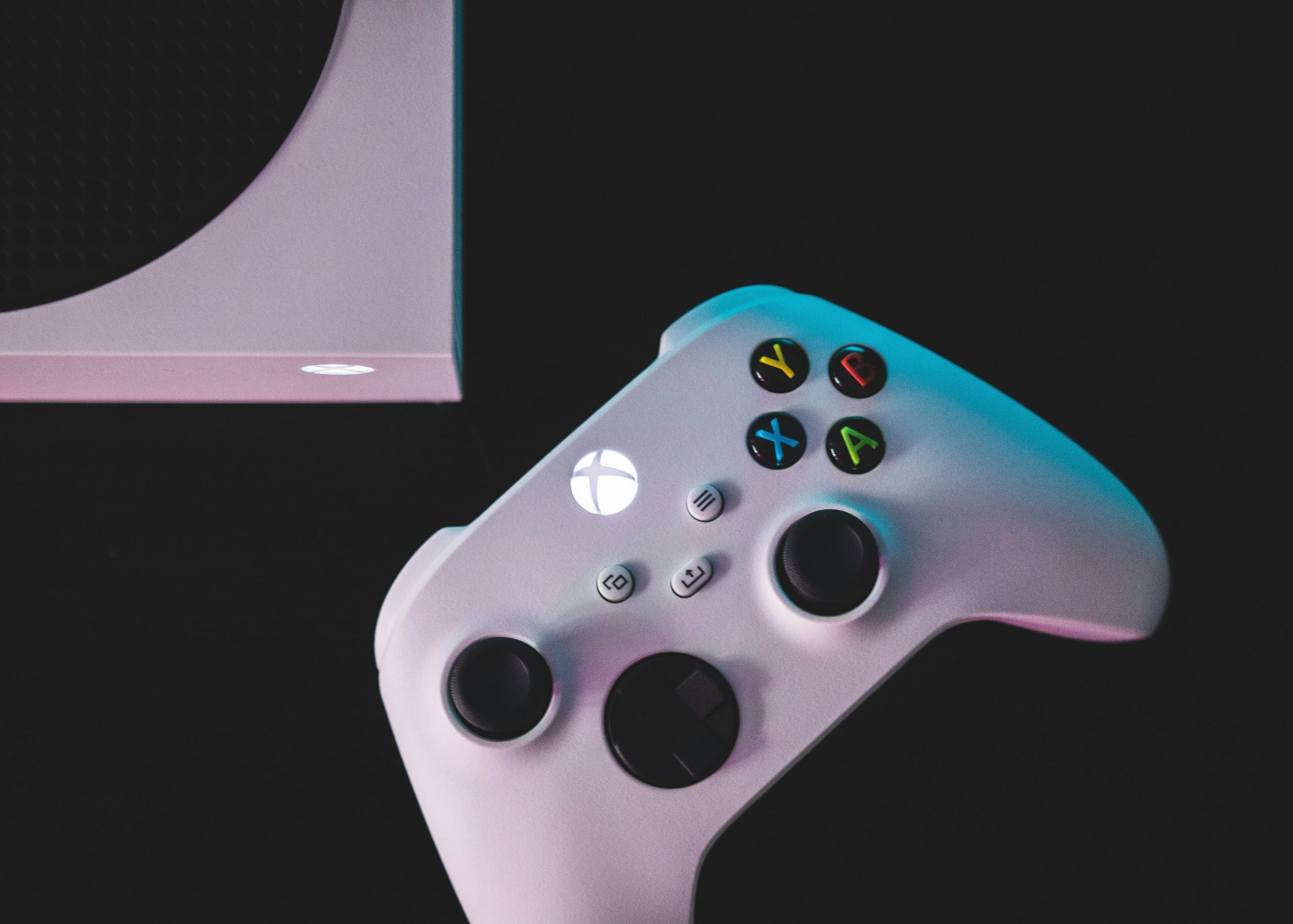
After further rounds of cuts in Microsoft gaming unit, Xbox executives have admitted to toughening up the business. The comments have brought back the debate on Xbox future, the gaming industry and what the big publishers will do in the fast-changing gaming market.
Although Xbox is still one of the world biggest games brands, the latest restructuring does reveal something much wider than just a brand. Expensive development, changing consumer behaviors, and an increasing shareholder pressure have made any business decision, even successful ones, a painful one.
Xbox Leadership Gives a Statement about the Layoffs
The latest round of Microsoft gaming organization cuts has raised much discussion from players and industry pundits alike. In turn, Xbox leaders stated that they were not taken lightly and this was due to the broader issues that the business is facing.
game industry has ceased the explosive growth after the pandemic, according to its executives. Over those years, millions of new gamers began to enter the gaming market, sales of software skyrocketed, and subscription services were growing in strength. But when market conditions returned to normal, companies faced increasing expenses and larger projects than the current market could handle.That the gaming industry is struggling in unhealthy conditions is acknowledged by even the top gaming platforms.
The Gaming Industry Is Under Pressure
Today’s challenging business climate has been brought about by a variety of factors. Compared to the previous generation of consoles, today’s game development demands are huge, with technology, personnel, and marketing being the three main factors.
Some of the greatest difficulties are:
- Development budgets of hundreds of millions of dollars for blockbusters.
- Longer production cycles, normally exceeding five years.
- More competition from the free to play and live-service games.
- Increased demand for graphics, online materials and post launch materials.
- Increasing studio costs globally.
The pressures will make it difficult even for games with good sales to make as much profit as they did before.
Microsoft remains on a restructuring spree following big acquisitions
Over the last few years, Microsoft has gone on a major buying spree to grow its games business significantly. After so many studios have been added, it’s one of the biggest game development companies in the world.
As a large portfolio always comes with tough choices about hiring, priorities, and investments in the future. Restructuring is a response to industry analysts’ view that the company is trying to rationalize its approach and concentrate investments on the most marketable projects.While no one likes to be fired, executives say their goal is to build a more sustainable company for the long haul with organizational changes.
The Human Cost Behind Business Decisions
Every corporate announcement comes with talent, whether it’s developers, artists, designers, engineers or support, everyone’s career is touched.In the last two years, gaming has seen thousands of job cuts, including in independent studios and across global gaming publishers. Even with years under their belt, many of these pros are now competing in a challenging job market.
This has also caused a concern to employees’ morale. Other staff members are usually tasked with extra duties and unsure of future projects and job security as a result of new organizational changes.
They may see games delayed, or projects cancelled, but not often do they see how these changes affect the people who make their favorite games.

However, Xbox Players the short-term effect may not be immediately apparent to consumers. Xbox is spending a ton of money on Game Pass, first-party releases, cloud gaming and hardware innovation. Reorganizing, however, may affect the development time line and project priorities.
There are some patterns that you can spot in the long run that you might notice:
- Increased focus on a small number of brands with successful audiences.
- Greater emphasis on subscription driven content.
- Improved investment in experimental and/or risky projects.
- Improved inter-studio collaboration within Microsoft.
These changes are intended to increase efficiency, while maintaining the quality of upcoming Xbox games.
Is the Gaming Industry Back to Sustainability Growth?
But many experts say the current slowdown is just a correction, not a downturn. Gaming is still undoubtedly one of the world’s most prominent entertainment sectors, earning billions of dollars each year and drawing in viewers of all ages.
New technology, like cloud gaming, and enhanced development tools, may be able to lower production costs and allow studios to make games more efficiently in the future. In the meantime, the markets in Asia, Latin America and the Middle East are still bringing in a whole host of millions of new players every year.Despite this, businesses are likely to need to strike a more sustainable balance between their high expectations for investments and financial objectives.
Although a number of people have lost their jobs recently, Microsoft still sees Xbox as one of its key pieces in its long-term entertainment strategy. The company is still on track to continue its expansion of Game Pass, cross-platform support and its growing lineup of development studios.
The admission that the game business is in a state of ill health is less of a Xbox problem and more of a gaming problem. As the marketplace changes, almost all major publishers are reevaluating their budgets, staffing and development priorities.
The next few years will show if the tough choices made today will ultimately make for a better, more robust and sustainable Xbox system for fans. Reducing the workforce is a difficult change for everyone, but the company’s leaders feel it is essential for future growth in an industry that is continually changing at an even quicker pace.