







The world biggest DRAM maker Samsung Electronics reportedly started to push hard for higher average selling prices for its DRAM in the third quarter, up to 20% higher than the previous quarter. The surge in price is a new development that indicates the meme crisis is not done. Prices have already been updated verbally by multiple hardware makers and downstream customers, and tech brands will have to make a change in pricing for the second half of the year.
This new premium is on top of a baseline that is already inflated. Samsung started the year with an unprecedented rate of price increase of 90% in the first quarter of the year, and the price increase was immediately followed by another increase of 50% to 60% in the second quarter of the year. Enforcing the other double-digit jump for the third quarter is allowing the South Korean tech giant to take advantage of the global supply contract squeeze, pointing to a challenging quarter for making hardware more affordable and moving into mid-range electronic innovation.
Samsung RAM Price Hike: Monitoring the Tech Cost Spike of Q3
The memory contract rates sudden upward trend is a huge problem for the entire consumer electronics sector. Mac and PC consumer demand is now improving, but the upstream manufacturing pipeline is still completely blocked. Prices for overall DRAM contracts will rise by a flat 13% to 18% across the board, with Samsung setting the absolute top end of these estimates at a 20% hike in premium commodity grades, industry tracking groups such as TrendForce say.
Samsung has a high market share of commodity DRAM markets with less volatile commodities whereas other competitors are mainly based on the long-term supply agreements (LTAs) with fixed pricing floors. Such a strategy helps the company make quick, drastic price cuts when the market is tightening. According to financial analysts, Samsung high price policy is meant to squeeze in as much money as possible as it is experiencing structural undersupply and wants to recover a lot of the losses it took in memory downturns in the past two fiscal years.
AI Server Demand: the root cause of Memory Allocation Issues
However, it’s not a sudden surge in the traditional sales of consumer laptop or desktop sales that is the primary driver behind this ongoing pricing pressure. Rather, it is propelled by the colossal surge of corporate capital directly into the world of AI servers. Hyperscale data centers and cloud computing giants are buying high-margin enterprise-grade memory components, like High Bandwidth Memory and high-density DDR5 modules, in unprecedented numbers.
These highly complex enterprise components are too difficult to manufacture and the manufacturing process for the wafers takes too long. As a result, the leading semiconductor manufacturers have aggressively shifted their manufacturing focus from consumer devices to the more profitable enterprise market. This systematic change in production has left the commodity market without any chips and caused significant semiconductor supply shortages for general purpose memory to be faced. Samsung Electronics and SK hynix have announced plans to expand their foundry businesses, but these multi-billion dollar investments will take years to yield mass production of memories, providing no immediate comfort to a present-day market.

LPDDR5X and Mobile Hardware: Smartphone Manufacturing Costs are on the Rise
Samsung 20% price increase will have the biggest impact in the mobile hardware business. Low-Power Double Data Rate (LPDDR) memory is key to smartphones, ultra-thin laptops, and portable gaming consoles like the PSP, and is experiencing the most dire industry-wide supply shortages. According to the source of the supply chain, premium mobile memory configurations, such as 8GB and 12GB LPDDR5X, will see price increases of more than 20% by the base price.
This component inflation has created an important quandary for smartphone makers developing the next big lineups. In order to balance these high level costs, manufacturers have to make some hard decisions about structure:
- Retail Price Adjustments: The part manufacturing margins have been charged right to the end-user, making flagship smartphones noticeably expensive.
- Capacity Freezes: RAM capacity retention by freezing it at lower tiers, like holding back on upgrades to 12GB/16GB to keep prices affordable for consumers.
- Marginalized Innovation: Using older slower memory technologies on mid-range devices to hold back performance growth, this is what is known as marginalized innovation.
Retail Trickle-Down Effect: What Consumers Can Expect Moving Forward
The back-end supply chain talks are going to affect the retail world in obvious ways for anyone who simply buys and uses a PC. It is now a different time from the one of predictable, downwards hardware pricing curves based on manufacturing efficiencies. Lenovo and Dell are among the big PC vendors that have already announced that the days of fully covering the cost of components for end users are behind them.
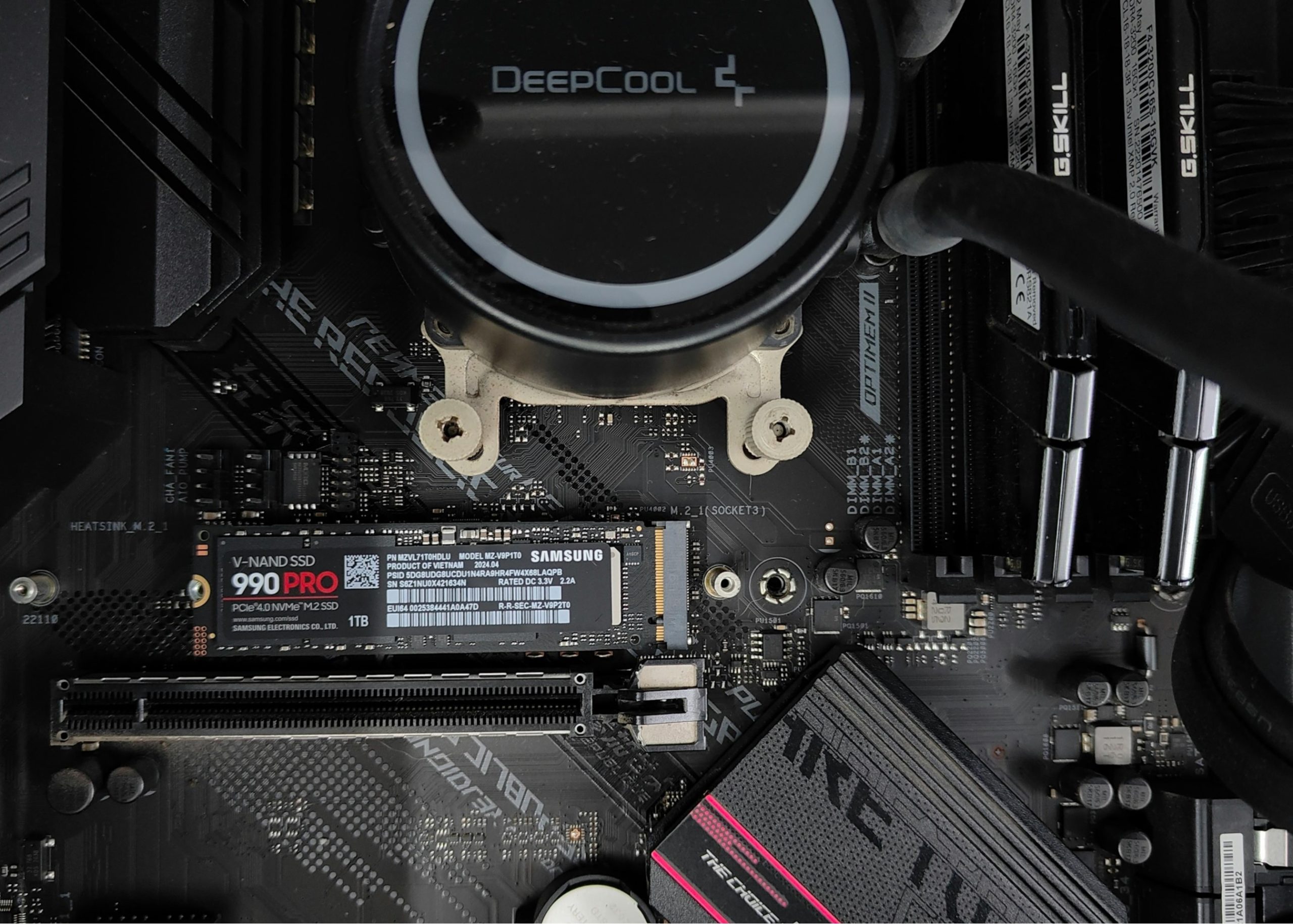
The price of standalone desktop DDR5 memory kits, solid state storage (which is using parallel NAND flash logic that is currently 10% to 15% up) and complete notebook systems will follow as the third quarter price increases take effect. Such high prices are expected to lead to a time of retail slowdown, warn market analysts. As costs climb during an economic climate of uncertainty, a significant portion of consumers around the world will likely be putting off their hardware upgrade this winter, which is expected to have an impact on local, hardware-accelerated AI computing tools.