









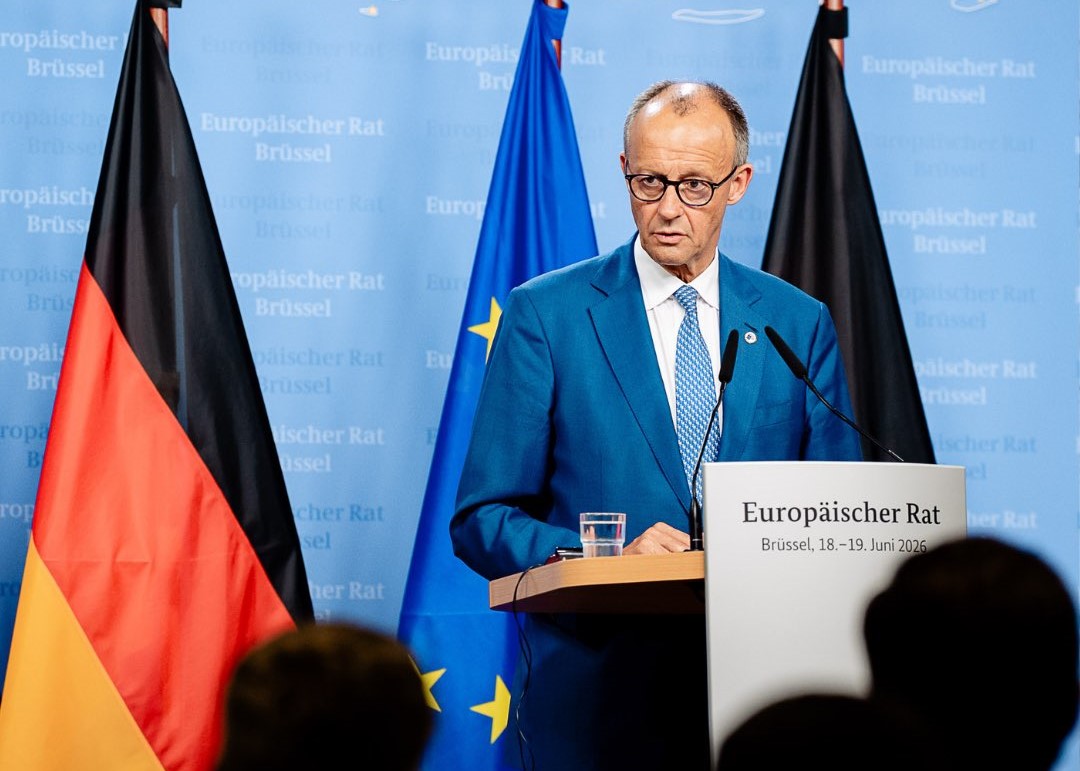
German Chancellor Friedrich Merz has issued a strong attack on the nation’s growing sick leave problem, which he says is a direct threat to the country’s industrial competitiveness. At an economic summit in Berlin, Merz cautioned that Germany cannot continue to pay for its liberal welfare benefits if it is not to have a minimum level of labour productivity. As the administration sees it, a structural issue is emerging, prompting sweeping changes to the system that will make stronger the verification process while also easing the economic burden on employers.
The aggressive attitude represents a major departure from the German attitude towards industrial relations. The country has long had a strong policy in place on sick leave, which was seen as a pillar of its social market economy. But, in the face of an extended economic slowdown, the federal government has had to rethink structural costs, and worker absenteeism has come head-to-head with the legislature.
The financial impact of increasing absenteeism
German workers were the most absent in the Eurozone, missing an average of almost 20 days per year due to sickness, according to data from the big statutory health funds published recently. This level of high sickness absence has turned into a macroeconomic problem, as a human resource problem. The situation comes at a time when the economy is already struggling as Germany GDP is estimated to lose up to 1 per cent of its annual output due to absenteeism.
Chancellor Merz stressed the importance of keeping genuine illnesses protected but also, in the case of the abuse of the system, limiting this abuse to safeguard German economic competitiveness. The administration believes that the existing system gives incentives that encourage those who do not work to the detriment of those who do. One area that has been negatively affected the most is small and medium-sized enterprises (SMEs), which often find it difficult to afford the luxury of a large employee pool needed for short-term absences when the need arises without the operations of the business being affected or supply chain commitments delayed.
Include relevant provisions in proposed labour laws
In an attempt to slow the surge, the Merz administration is creating a legislative package that will repeal and replace the process for getting medical leave. At the heart of the new laws is to negate pandemic-era flexibilities that critics say have reduced the cost of staying home.
The proposed amendments to the law will bring about a number of important changes in the structure of the law:
- The popular policy of issuing a standard sick certificate by phone will be scrapped and a consultation will need to occur in person or via a recognised electronic system.
- New Rules for Employer Verification Rights: Companies will have new legal options to seek independent medical assessments earlier in the absence cycle via medical boards on health insurance.
- New thinking about the “waiting period”: The government is considering a change in the way short-term absences are remunerated, possibly with an unpaid or self-certified “waiting day” prior to the commencement of statutory employer-paid sick leave.
These measures are a radical change in German labour law structures. The government’s aim through this is to sharply reduce the number of short-term, casual absences, which are commonplace and often increase during weekends and national holidays.

Labor Unions and Medical Associations were very affected by the backlash
Not surprisingly, the Chancellor’s announcements have elicited strong reactions from both inside and out the political and social worlds. The Merz Government was immediately attacked by the German Trade Union Confederation (DGB), and other large unions such as IG Metall, as an unfair ideological assault on the working class. The high rates of sick leave are not in any way a sign of laziness on the part of the workforce, but are simply a consequence of the fact that the workforce is elderly, there is a high level of psychological burnout and there is chronic under-staffing in important public and private sectors, say the leaders of the Union.
In addition, associations of physicians have been very skeptical about the proposed rollbacks. Without remote consultations, GP say they are likely to find themselves inundated with people with mild, self-limiting conditions, such as the common cold, at their local clinics. This influx, doctors say, will create a strain on medical services and make it more difficult for doctors to treat patients with serious and chronic health problems. German trade unions already have threatened a major legal and industrial assault if the draft bill is to reduce existing worker welfare rights.
Productivity and social welfare balance
Chancellor Friedrich Merz has an interesting balancing act to perform, as the legislative draft is being sent to the parliamentary floor. His government will have to figure out how to increase the volume of labor if it wants to invigorate the continent’s largest economy, and how to calm international investors’ fears that Germany is still a dependable, productive industrial powerhouse. But, if part of an entrenched social safety net is removed, there is a risk of a general strike and polarization. The next few months will decide whether these new rules on sick leave are able to reinvigorate the discipline of the labour market or whether it is the harbinger of a wider struggle over the future of the German welfare state.