








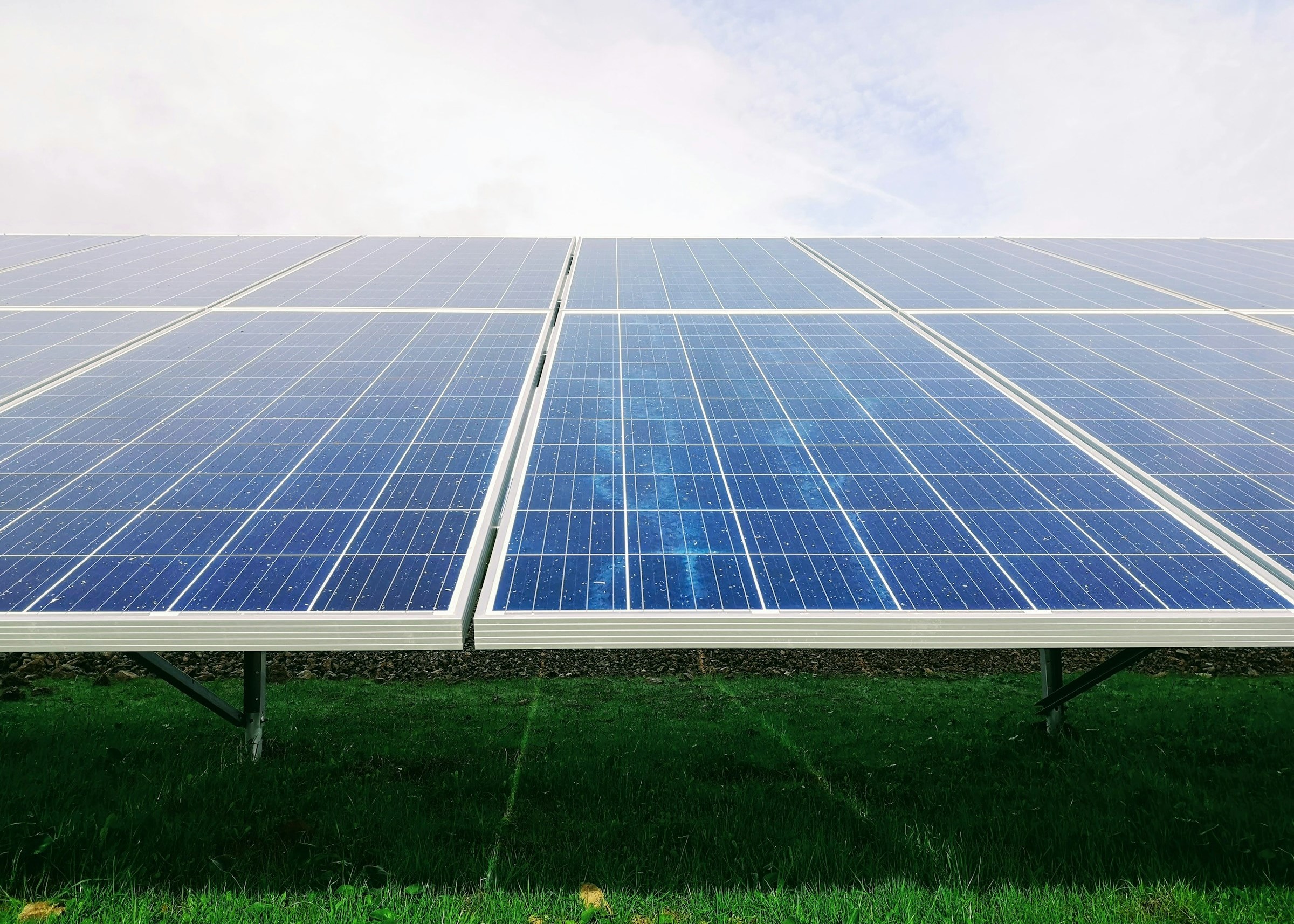
A pioneering solar sharing program which is being backed by governments in 3 states has officially rolled out to help tackle spiralling electricity costs and achieve a more dynamic energy market. The new program will provide 3 hours of free electricity each day for eligible households during times of the day when the sun is generating electricity. The program encourages people to use more energy during the day, helping to counteract the critical “solar sponge” effect, which occurs when solar energy generation on roofs peaks when electricity demand is highest.
The roll-out is an extremely progressive one for the way governments are using to manage renewable energy surpluses. The program takes clean, abundant solar power and puts it right back to the people who need it most – their homes. The scheme offers a practical and immediate way for families facing the cost of living crisis to make a significant impact on reducing monthly household costs.
How the Solar Sharing Scheme Works: The Daily Free Power Window
This new energy program operates on the principles of simplicity and automated demand management. The participating households in the designated states are given a particular three hour window within the day (usually 11:00 AM to 2:00 PM) when the electricity consumption tariff is reduced to zero. This period of time matches the peak time of day for solar irradiance, when millions of residential rooftop solar arrays are generating their highest output.
Households must have a few basic technical requirements to take part in the program and receive the daily free power window:
- Active Smart Meter Integration: Homes should have a working smart meter that can monitor and report electricity consumption in real time periods.
- The strategic appliance shifting approach encourages consumers to delay the use of high-draw appliances like washing machines, dishwashers, pool pumps and electric vehicle (EV) chargers during the three-hour free window.
- No Rooftop Solar Required: Most importantly, tenants and people who do not own their own rooftop solar panels can still sign up and the extra energy produced is shared throughout the wider solar network in the state.
This project is a very equitable example of community energy sharing as it helps to share excess solar energy generated onto residential neighbourhoods where there is no solar infrastructure.
Participating States and Regional Rollout Strategies
The project has rolled out first in key states that have pioneered renewable energy uptake in Australia: South Australia, Victoria and New South Wales. The framework has been customized slightly in each region to reflect the particular network needs and distribution networks in the area.
South Australia is a net exporter of solar power, and stabilisation is a key focus. At the same time, Victoria and New South Wales are using the scheme to ease congestion on transmission lines during peak periods. The use of localized smart grid technology solutions enables regions to efficiently track load distribution and prevent the introduction of uncompromised load into the grid, which could cause localized voltage drops.
In these three States, the program is being implemented in collaboration with some retail energy suppliers. Households can verify their eligibility from state government energy portals and plans to include more participating retailers as the program expands and grows in the upcoming fiscal quarters.

How the Solar Sharing Scheme Is Solving Australia Duck Curve Challenge
This government solar sharing scheme is a crucial technical solution not only to give immediate relief to the families but also to save the national grid from structural damage. The “solar duck curve” is a huge problem for energy grid operators, as Australia rapidly moves toward rooftop solar adoption.
Solar generation is at its highest point in the middle of the day, which means there is low demand for traditional power from coal or gas. But as the sun sets, however, the production of electricity from solar sources drops dramatically, while households are coming in from work creating a huge vertical surge in demand on the grid.
This program helps to actively change that curve by:
- Raising the minimum demand floor (flattening the Midday Trough): If millions of households were willing to buy power during the day, the bottom of the demand curve would be lifted, avoiding negative wholesale prices and grid instability.
- Pre-heating water cylinders and charging batteries during the low cost solar day reduces electricity usage during the high-demand evening peak time automatically.
- Reduce Solar Curtailment: With this, the solar system doesn’t have to be switched off to prevent damage to transmission lines, allowing 100% of the green energy produced to be used.
These demand side management (DSM) techniques are thought to be the most cost effective means of reducing the size of the solar duck curve without the need for large expensive battery storage.
Accelerating Australia Green Energy Transition
The three-hour free electricity offer is a significant step towards Australia larger goal of becoming a net-zero country. The government’s strategy to link the economic advantages of renewables directly to the person who uses them is helping to build a more pro-green transition consumer sentiment.
As the program moves forward, state planners are reviewing the data and working out the possibility of scaling up the framework to a national level. It could provide an alternative energy grid balancing strategy if it works, one which is the opposite of the centralized, utility-led approach, and which might be used by other countries facing the problem of high residential solar power penetration. The residents of South Australia, Victoria and New South Wales now have a golden opportunity to take this moment to overhaul their daily habits, save some money and be active participants in Australia’s most important renewable energy initiatives that are actively protecting the planet.