








The EU ambitious move towards a circular economy has taken step in the regulatory arena. The European Commission (EC) has been making some highly-anticipated changes to the EU Batteries Regulation, and it has finally published an EU Delegated Act that contains specific exemptions. The all-encompassing bill, which was drafted to have electronics makers make batteries easily replaceable for their consumer electronics by 2027, has been under heavy fire from hardware engineers. The new amendment sets out important safeguards, acknowledging that it is not feasible or safe to require end-user battery replacement for certain categories of products. Brussels is trying to achieve a balance between its ambitious reduction targets for electronic waste and the practical challenges of the electronic device industry, including waterproofing, consumer safety and how to design devices in such a way that they can be upcycled.
The Six Newly Exempted Product Categories
After a long consultation process with consumer electronics manufacturers, engineering companies and consumer organisations, the European Commission decided on six categories that will not have to comply with the user-replaceable battery provision. Wearable consumer devices, such as smartwatches, fitness trackers, smart glasses and ultra-compact wireless earbuds, are among these. In such products, a design that facilitates access for a layman to snap apart the chassis would inevitably have a negative impact on the integrity, water-resistance and dust-proofing that are needed for daily use.
The new legislative package also provides additional exemptions to a number of niche and specialized hardware areas:
- Exempt are rechargeable toys with user accessible battery compartments that may be a choking hazard or affect electrical safety until at least 2030.
- Industrial and Specialized Tech: Wireless thermometer probes for direct food contact, roof mounted automotive telematics, and Industrial hardware under the ATEX Directive in potentially explosive atmospheres.
Getting the facts about partial exemptions
For consumer tech brands and supply chain managers, it’s important to keep in mind that the new announcement is not a loophole for going back to unrepairable, planned obsolescence. The new rules do not allow manufacturers to permanently attach or fuse batteries to the device’s chassis without a vendor, which is a legal requirement. Instead, however, the regulation places the responsibility on the average consumer to transfer the battery to a certified, independent repairer.
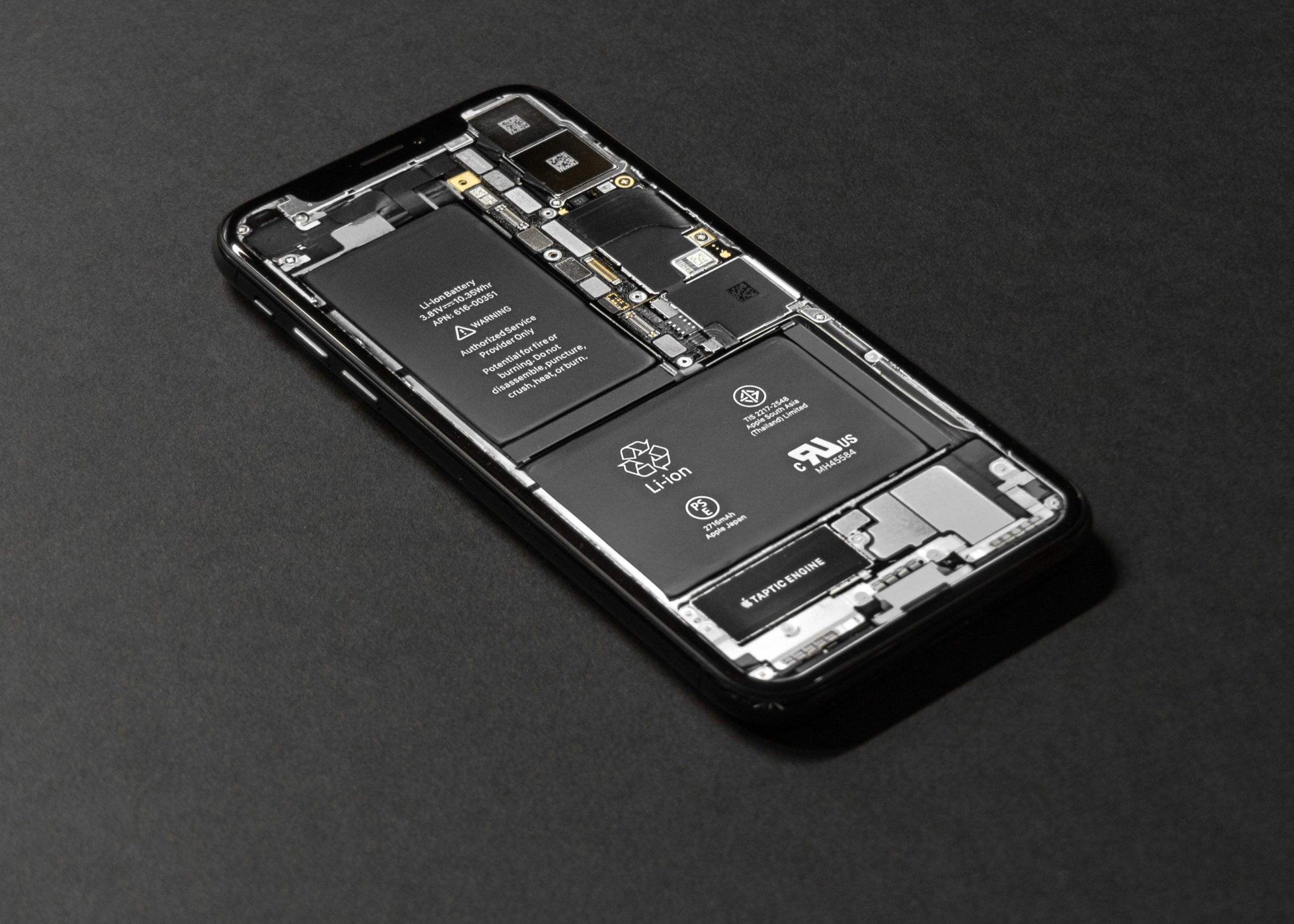
This is a “middle ground” solution to solve a serious environmental problem that is now a major problem for a number of local recycling centres. If the micro-sized LIBs are enclosed in inexpensive or very small consumer products, consumers often simply throw the entire product away in regular trash. The trapped batteries have the potential to become extremely volatile and have become a major cause of catastrophic thermal runaway fires at waste sorting centres. The EU will also ensure that the design of the exempt devices will allow energy cells to be safely removed by independent technicians, which will make it possible to recycle these strategic raw materials without the need to increase the global e-waste footprint.

Smartphone Exceptions and the Ecodesign Divide
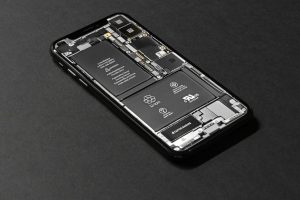
A frequent area of confusion in the tech world is what to expect from the new exemptions in relation to the upcoming smartphone and tablet mandates. To reiterate, this new list of exemptions is for mainstream smartphones and not for Apple own line. The European Union has not backed down from its plan to put an end to the days of non-repairable mobile phones, but its compliance road map involves a complicated mix of overlapping EU smartphone repairability rules, not a wholesale return to plastic snap-on back covers.
The EU has set strict durability alternatives for smartphone manufacturers wishing to avoid the need for replacement by a layman with everyday tools, and to have the batteries changed instantly. The two very stringent requirements for a smartphone to meet the criteria for a professional-repairer exemption are to hold a minimum of 80 percent of its original rated capacity for the battery after 1,000 full charge cycles and to be rated as IP67 for complete dust and water resistance. As hardware analysis has shown so far, it seems that leading industry competitors already have devices that are durable enough to meet these requirements, thus the consumer smartphone industry will likely separate into hyper durable flagships and repairable mid-range phones.
Next Legislative Steps and Industry Implications.
The European Commission has adopted the delegated act, which now undergoes the usual democratic process, though this is the final move by the executive. The draft has been officially sent to the EU’s Parliament and the Council of the EU, where the legislators have a specific period in which they can raise objections. The exemptions will officially come into effect within 20 days of their final publication in the Official Journal of the European Union, unless there is an untimely roadblock in the political process. This regulatory clarity is being used by hardware developers to complete product development plans for the critical 2027 launch window, while keeping sustainable hardware design practices in check with the changing legal environment of the European market.